

CFNJ is commemorating the two-year anniversary of the launch of Quinn’s Corner Fund during Domestic Violence Awareness Month in October.
In a four-part series, we will showcase nonprofits that support DV survivors and their pets, as well as highlight the fund’s progress toward ensuring greater access to pet-friendly sanctuaries and services across New Jersey. Part 1 focuses on Karen Lindemann’s inspiration for her legacy fund and how her heartfelt idea evolved into a statewide initiative.
If you’re in danger and need help, call the NJ Statewide Domestic Violence Helpline at
1-800-572-SAFE. Deaf survivors can call 1-855-812-1001 or text LOVEIS to 22522.
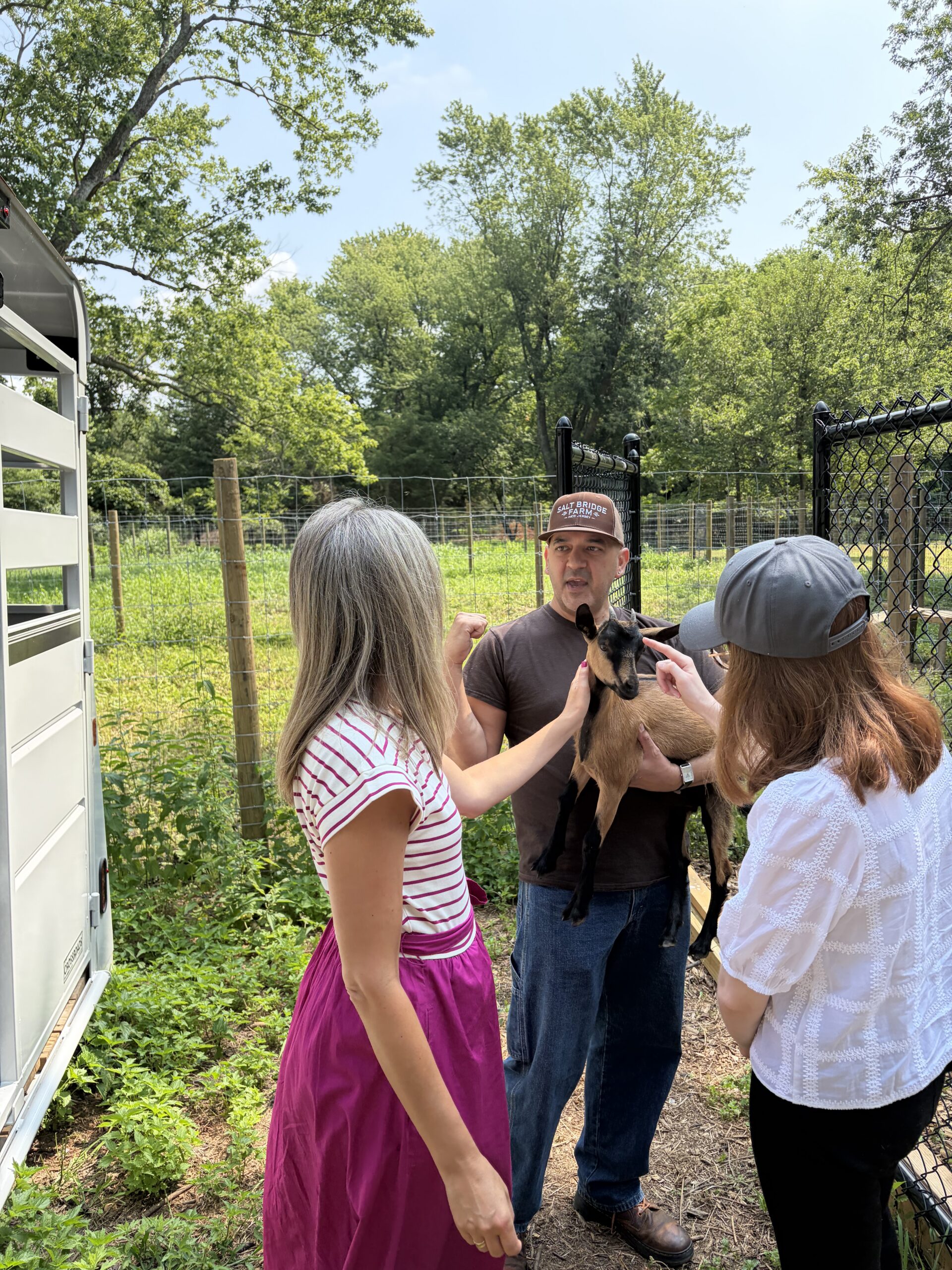
We’ve been channeling our inner Karen Lindemann as we continue to steward her legacy gift.
Her vision for prioritizing the safety of a domestic violence survivor’s entire family — including their pets — has evolved from an idea for a safe house in Monmouth County to an initiative that aims to ensure greater access to pet-friendly sanctuaries and services across the state.
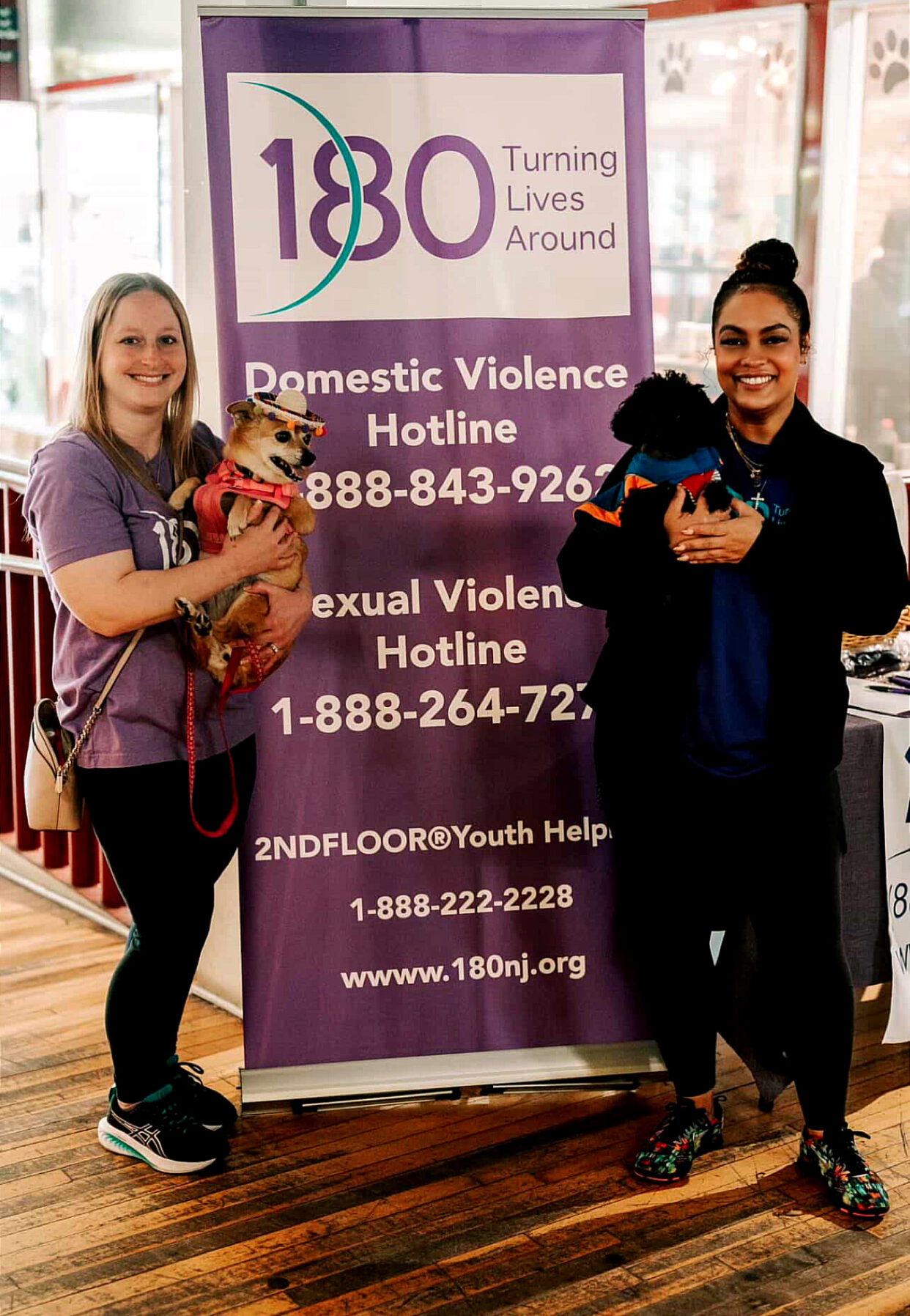
When the Community Foundation of New Jersey (CFNJ) first began conversations with Lindemann about establishing Quinn’s Corner Fund, we knew she loved animals and was passionate about pet accessibility. So, we offered guidance when she partnered with 180 Turning Lives Around in 2019 to support the first safe house program for both survivors and their pets in New Jersey.
Taking her idea statewide wasn’t the initial goal, noted CFNJ President Hans Dekker. But,180 Turning Lives Around was still the only shelter that offered pet-inclusive programming and housing when we officially launched the fund in 2024.
Stewarding our fundholder’s gift also revealed to us an agonizing choice many DV survivors face when fleeing with their pets: Do I live in my car, stay with my abuser, or leave my beloved companion behind?
‘Pets Are Part of the Family’
According to nonprofit leaders in the field, survivors often encounter multiple barriers when attempting to leave. These include worries about stable housing, finances, childcare, and retaliation from their abusers.
“For survivors with pets, there is an additional concern: ‘What will happen to my pet if I leave?’ Pets are part of the family, and people who cause harm may threaten or hurt them as another way to maintain power and control,” said Younity President and CEO Nathalie Nelson, who leads a Mercer County nonprofit serving survivors of domestic violence and sexual assault.
“A survivor should never have to choose between personal safety and protecting a beloved animal,” she continued. “Providing a pet-friendly shelter removes that barrier and allows the entire family to reach safety together.”
So far, the fund has awarded more than $5 million to 28 grantee partners. Nonprofits have used the funding for vet bills, staff training and pet advocate positions, pet supplies and pet deposits for apartments, renovation expenses and planning funds, and more.
“We knew helping survivors find safety with their pets was a focus in Karen’s estate plan,” Dekker said. “In wake of her passing, what more fitting tribute could we make in her name than to expand her heartfelt idea across our state?”
Expanding Pet Inclusivity in Six NJ Counties
Thanks to the fund, pet-accessible services and sanctuaries are now available in six of 21 counties. The shelters are located in Ocean, Hunterdon, Mercer, Monmouth, Morris, and Warren counties. Passaic and Union will provide safe havens for survivors and their pets soon.
“Being a part of this project is one of the most gratifying experiences of my career. CFNJ’s team, our partners at the New Jersey Coalition to End Domestic Violence, and leaders and pet advocates in the safe houses are carefully and enthusiastically fulfilling Karen’s dream,” said Aaron Turner, CFNJ’s Chief Philanthropic Officer. “Collectively, we’re focused on supporting safe spaces for survivors and their pets — no matter where they live in the state.”
Currently, there are more than 35 DV programs and over 20 DV shelters in New Jersey. Organizations that lead these programs and shelters continue to see a significant demand for services, and reported DV incidents have been trending higher over the past decade.
The most recent Domestic Violence Offense Report released by the NJ Department of Law and Public Safety indicates that 70,828 DV incidents were reported in 2023 — a 5% increase compared to the previous year. There were also 57 DV-related homicides in 2023. This statistic marked a 46% increase from 2019.
In response to this increasing demand for DV services, organizations have added an array of offerings and programming over the years, including 24-hour hotlines, crisis response teams, emergency shelter and transitional housing, legal advocacy and counseling, and community education.
Engaging National Partners to Support Local Nonprofits
Responding to the real needs in the communities they serve, as well as dealing with limited funding and space, has likely prevented many organizations from prioritizing pet accessibility.
Nonprofits’ budgets are already stretched thin due to federal and state cuts, explained Mary Trinity, Associate Director of NJCEDV. So, it’s understandable that an already strained staff would be wary of the idea of accommodating humans and animals in the same space.
“The first concern is usually funding. Organizations must consider construction or renovation costs, ventilation, cleaning, fencing, animal supplies, veterinary services, and the ongoing cost of maintaining the space,” shared Janet Ginest, Pet Advocate at Younity. “There are also operational questions involving allergies, noise, sanitation, insurance, staff training, and how to safely accommodate different animals while respecting the needs of every resident. Space itself can also be a major limitation, particularly for shelters operating in older buildings.”
These obstacles are real and sometimes organizations think “our heads are about to explode” with the long list of worries to consider, Trinity added.
But she noted these concerns can be overcome by collaborating with partners like RedRover and Greater Good Charities that prioritize thoughtful planning and follow best practices.
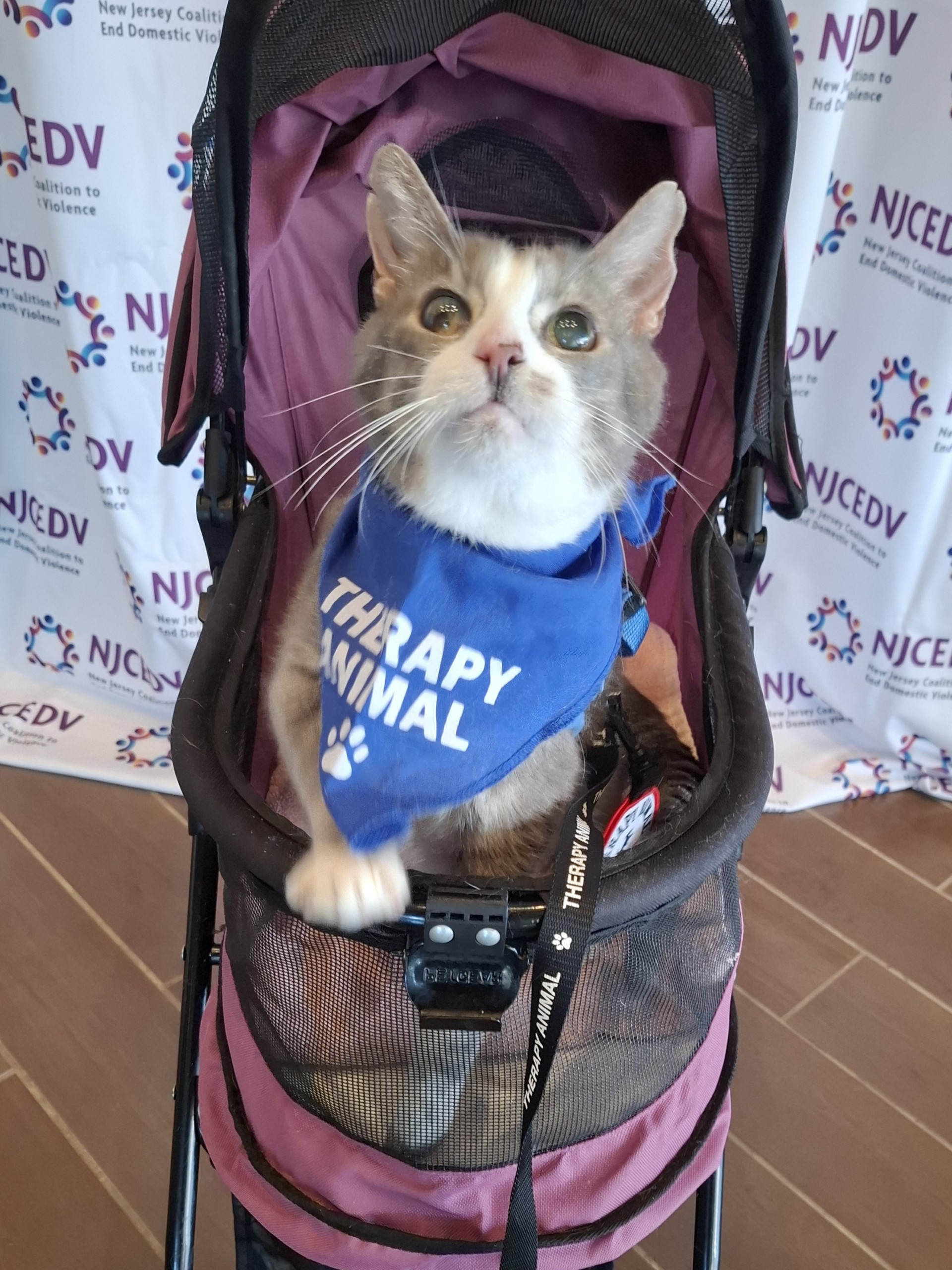
Both organizations have been involved in a growing national movement to provide greater access to pet-inclusive services and housing. They also advocate for maintaining the critical human-animal bond between people and their pets — whether they’re cats, dogs, goats, horses, or other animals; support the safety and healing of humans and their companions during a crisis; and train nonprofits on ways to safely keep survivors and pets together through its Don’t Forget the Pets project.
Addressing Systemic Problems with Thoughtful Solutions
CFNJ is proud to work with both of these national organizations as we collectively spread the word about the steps that nonprofits can take to effectively incorporate pet inclusivity into their services and safe houses. NJCEDV and CFNJ — along with our national partners — have also been building cross-sector relationships among family justice centers, law enforcement, human and animal welfare organizations, veterinarians, and others who have come together to forge a stronger safety net for survivors and pets in our state.
“The key is recognizing that organizations do not have to solve every challenge alone,” Ginest said. “When we consider the alternative, which may be a survivor remaining in danger because they cannot leave their pet, the importance of finding solutions becomes very clear.”
Liz Graham, CEO of 180 Turning Lives Around, refers to the mindshift from impossible to possible as “channeling my inner Karen.”
She concedes that it can feel like an uphill battle for organizations as they sort through their concerns over pet accessibility. She was in that same position when Lindemann championed the need for a sanctuary so passionately to 180’s Board of Trustees that the member who was most opposed to the idea became its staunchest advocate.
Seven years later, she’s elated to see that “conversations that weren’t happening all along are happening now because of Karen,” Graham said. “It’s about keeping the family intact. Karen’s legacy will be recognizing that [this] isn’t optional.”
Providing access to pet-friendly spaces and services just “isn’t optional,” she reiterated. “We have to do it. Leap and the net will appear.”